AI Watermarks Are Becoming Invisible — But Can They Really Tell Us What Is Real?
AI-generated content is entering a new era of invisible watermarks, provenance data, and content credentials. But will these technologies actually solve the problem of knowing what is real?
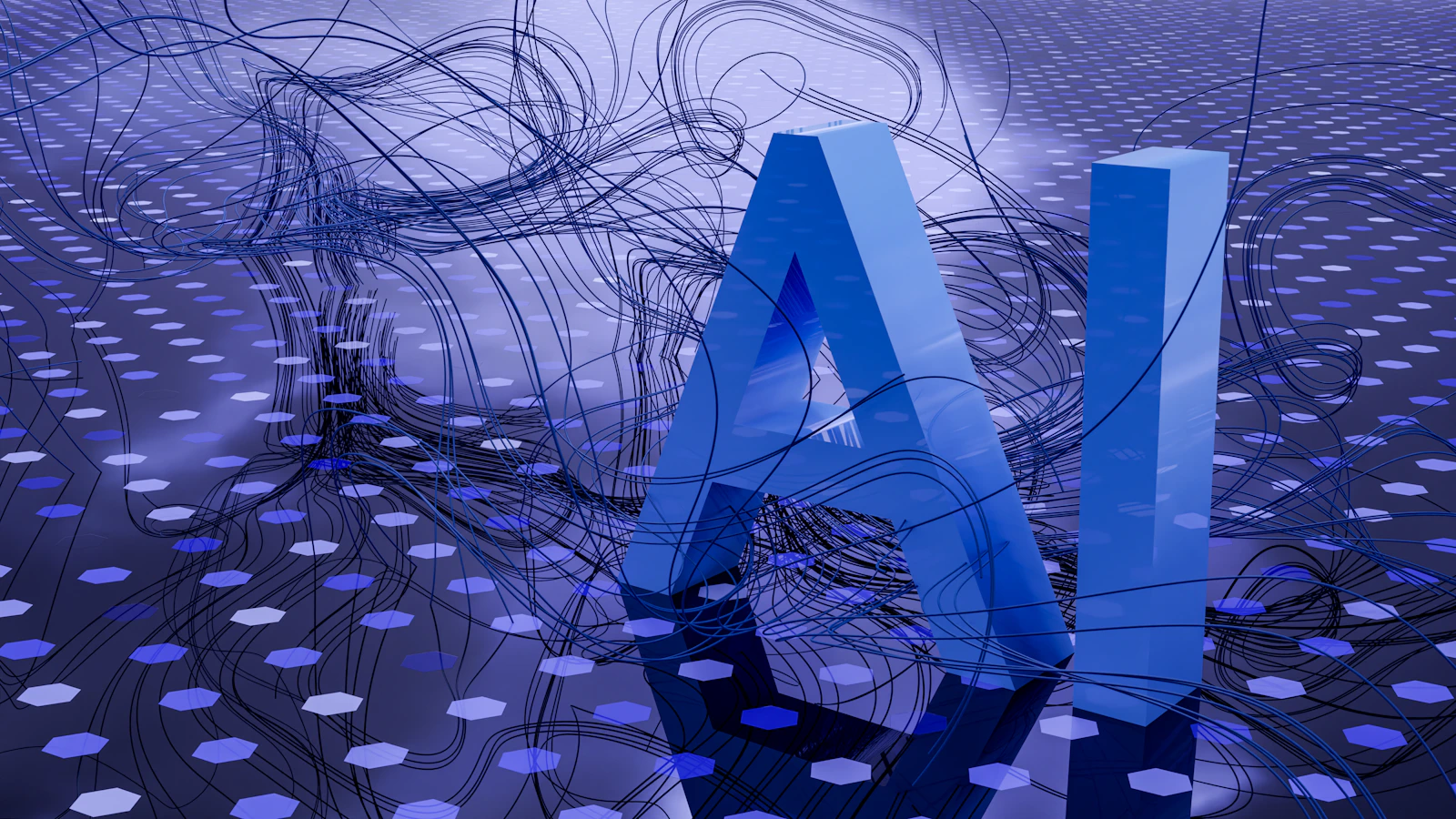
AI-generated images, videos, audio and even written content are becoming almost impossible to distinguish from human-made work. That has created a new problem for the internet: not simply whether something looks real, but whether we can determine where it came from.
The answer increasingly involves invisible watermarks and digital provenance.
The Rise of Invisible AI Watermarks
Google has been developing SynthID to embed imperceptible signals into AI-generated content, while OpenAI has expanded provenance technologies to generated images and audio. Anthropic has also introduced watermarking for AI-generated text in newer Claude models.
Unlike a traditional logo placed in the corner of an image, these signals are designed to remain hidden from normal viewers.
That matters because visible labels can easily be cropped, covered or removed. Invisible identifiers attempt to make the origin of content detectable without changing how the content looks.
Why AI Watermarking Matters
Imagine receiving a video claiming to show a major political event, a celebrity statement or a breaking news story.
Instead of relying entirely on your eyes, a verification system could potentially examine the content's provenance and determine whether it was generated by a particular AI system.
This could become particularly important for journalism, education, publishing, advertising and social media.
However, watermarking does not automatically tell us whether something is true. It primarily tells us something about its origin.
A genuine photograph can still contain misinformation, while an AI-generated image can accurately represent a fictional concept.
The Problem With Trusting Labels
AI detection is not perfect.
Watermarks can potentially be weakened by heavy editing, translation, paraphrasing or transformations. At the same time, an unmarked piece of content cannot necessarily be assumed to be human-created.
That creates a dangerous possibility: people may begin trusting content simply because it does not carry an AI label.
Researchers have already argued that AI labels can oversimplify the difference between machine assistance, human creativity and deliberate deception.
What Comes Next
The future of online authenticity will probably involve several layers rather than one magic detector.
Watermarks, C2PA Content Credentials, platform labels, metadata, verification services and traditional fact-checking may all become part of the same ecosystem.
The bigger change is cultural.
For decades, people generally treated a photograph as evidence that something happened. In the AI era, the question is becoming much more complicated.
The internet may be moving toward a world where knowing where content came from becomes almost as important as seeing the content itself.
The watermark may be invisible, but the question it represents is becoming impossible to ignore.
Written by Wade Studio. If you want to talk through any of this, the studio is one message away.
Start a project ↗Published August 17, 2026 in Artificial Intelligence.