Humanoid Robots Are Entering the Real World — But Are They Ready?
Humanoid robots are moving from impressive demonstrations toward commercial deployment, investment and real-world testing. The next challenge is proving they can deliver reliable economic value.
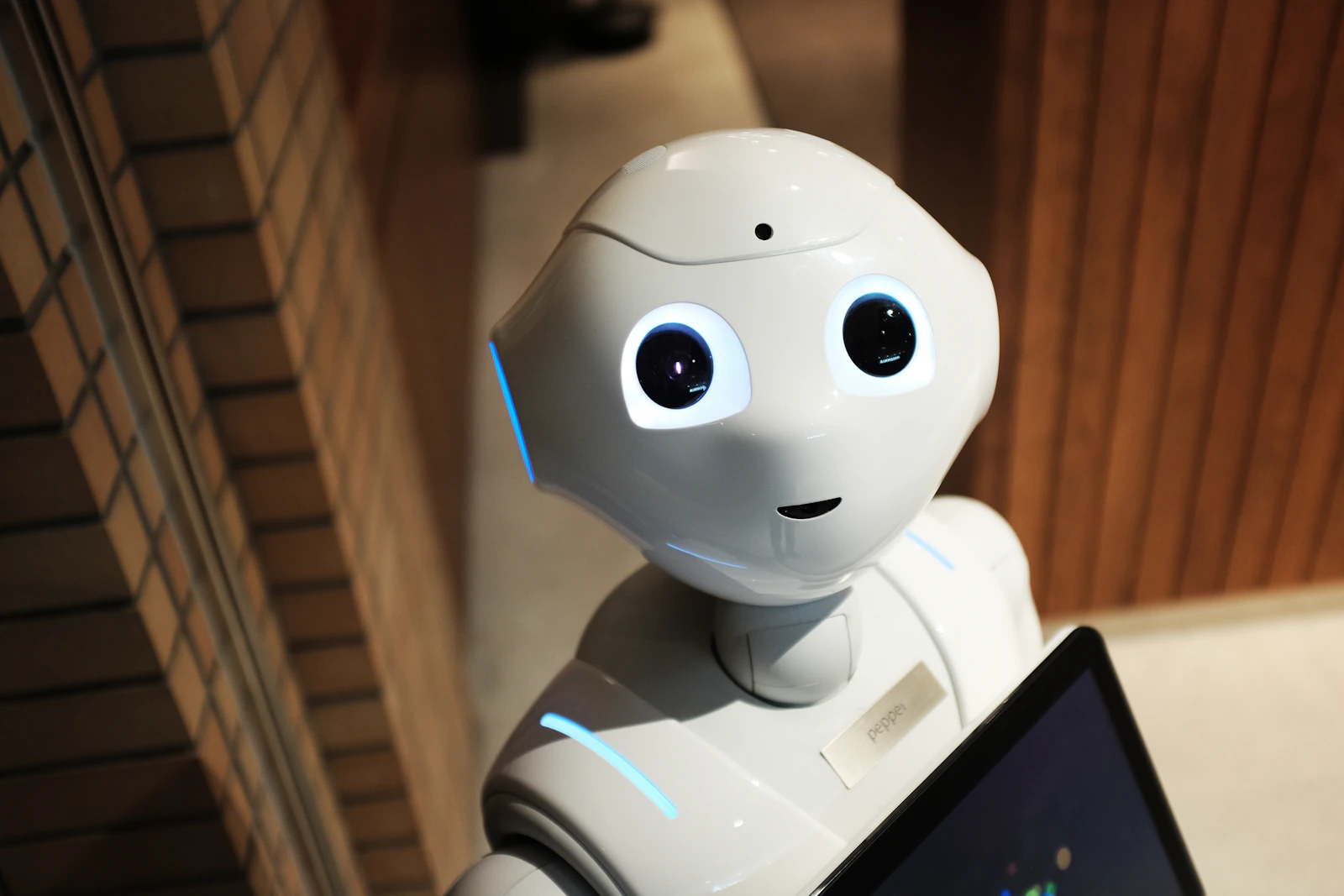
For decades, humanoid robots were mostly associated with science fiction.
In 2026, that is changing.
Companies are building robots capable of walking, running, manipulating objects and performing increasingly complex tasks. Investors are also placing enormous bets on the industry.
The question now is no longer whether humanoid robots can move.
It is whether they can actually work.
The Humanoid Robot Race
Chinese robotics companies are attracting particularly strong attention.
Unitree, one of the best-known humanoid robotics companies, has become a major player in the sector and is preparing for a highly anticipated public listing in Shanghai. Reuters reported that its IPO attracted extraordinary investor demand.
That enthusiasm reflects growing expectations that robotics could become the next major AI-driven industry.
Physical AI Is Different
Software AI operates inside computers.
Humanoid robots operate in the physical world.
That means they have to deal with uneven floors, unexpected objects, people, weather, friction, balance and countless situations that are difficult to simulate perfectly.
A robot can look impressive during a controlled demonstration while still struggling with ordinary tasks.
Robotics expert Rodney Brooks has warned that the appearance of humanoid machines can create unrealistic expectations about their actual capabilities.
Where Robots Could Win First
The first major commercial applications may not involve robots replacing humans everywhere.
Instead, they are likely to appear in controlled environments.
Factories, warehouses, logistics centers and repetitive industrial tasks offer predictable conditions.
That makes them easier places to train and deploy physical AI.
AI Is Giving Robots A New Brain
The biggest difference between today's robots and earlier generations is AI.
Modern systems can combine computer vision, language models, reinforcement learning and sensor data to make more flexible decisions.
That creates the possibility of general-purpose machines rather than robots designed for one extremely specific movement.
Nvidia is also investing heavily in physical AI and robotics platforms, including collaborations aimed at bringing foundation models into real-world machines.
The Real Test Is Reliability
A humanoid robot does not need to be magical.
It needs to be reliable.
If a company can demonstrate that a robot can perform a useful task thousands of times without constant human intervention, the economics begin to change.
That is the milestone the industry should watch.
The humanoid robot revolution may not arrive as a sudden invasion of machines.
It may begin quietly, one warehouse, factory and repetitive task at a time.
Written by Wade Studio. If you want to talk through any of this, the studio is one message away.
Start a project ↗Published August 17, 2026 in Robotics.